For artists4 min read
Musician Portfolio: How to Write Your Bio and Build an EPK That Gets You Gigs

Partha Sarathi CeeraFounder, Gig'le
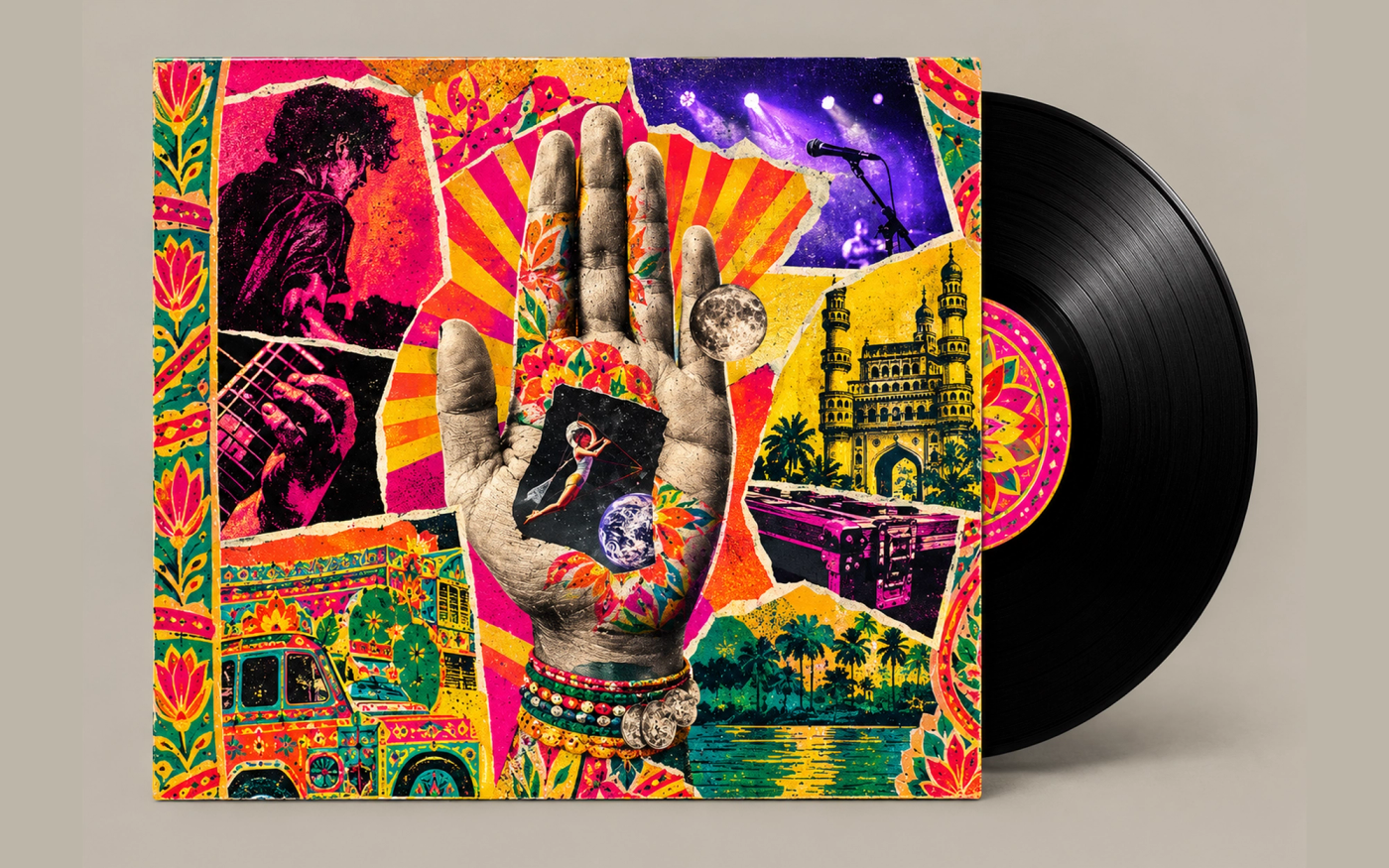
Talent gets you noticed. Presentation gets you the gig. When an organiser has twenty applications for one slot, the musician who makes it easy to understand what they offer usually has an advantage over the one who sends a long message and a link that does not open.
This guide covers the three things that make up a strong musician portfolio: your bio, your electronic press kit (EPK) and your live videos. It also covers how to use them when you approach venues and apply for gigs.
What a musician portfolio is for
A portfolio exists to answer an organiser's questions before they have to ask:
- What do you sound like live?
- What kind of act are you, and what do you play?
- Will you suit my event, my venue or my audience?
- What do you need to perform?
- How do I reach you?
Everything you add should answer one of those. If it does not, leave it out.
How to write a musician bio
Your artist bio is the text that introduces you. Many musicians find three versions useful.
The one-line bio
For profiles, applications and introductions. Say what you are, what you play and where you are based.
Example: "Hyderabad-based acoustic duo playing Bollywood and indie covers and originals for cafés, weddings and private events."
The short bio (about 50 to 80 words)
For gig applications, event listings and social profiles. Add your line-up, the kind of events you play and one or two credible details, such as venues you play regularly or an original release.
The long bio (about 150 to 250 words)
For your EPK and for organisers or press who want more. Add your story in brief: how the act started, what makes your sound distinct, highlights so far and what you are working on now.
Tips for every version
- Write in the third person for your EPK and press. First person is fine on social profiles.
- Lead with the music, not your childhood. Organisers read the first line and decide.
- Be specific. "Plays two-hour Bollywood and retro sets for weddings and corporate events" beats "passionate about music".
- Only include facts you can stand behind. No inflated numbers.
- Update it when something changes: a new release, a new line-up, a new city.
What is an EPK?
An EPK, or electronic press kit, is your professional pack: one page, document or link that gives an organiser, a venue or the press everything they need in one place. It saves them from piecing you together from five different links.
What to put in your EPK
- Your name and a one-line description at the top.
- Your short and long bio.
- Two or three live performance videos. Short, recent and representative of the gigs you want.
- Music links, if you have released music.
- Photos: two or three good-quality images, including at least one of you performing.
- Your line-up and what each member plays.
- Past performances: venues, events or festivals you have played.
- Set options: set lengths, styles and languages you can perform.
- Technical needs: a short technical rider, the equipment you bring and what you need provided.
- Contact details: how and where to reach you.
What to leave out
- Long, unedited recordings. Pick the best two minutes.
- Old material that no longer represents the act.
- Anything you would not want an organiser to see before meeting you.
Format
A simple shared document, a one-page PDF or a single web page all work. What matters is that it opens easily on a phone, because that is where many organisers will look at it.
Choosing your live videos
For many organisers, your live clips are the deciding factor.
- Recent: from the last few months if possible.
- Live: filmed at a real gig or a live session, not a studio track over photos.
- Relevant: a wedding organiser wants to see you at a wedding or a similar event; a café wants to see an acoustic set.
- Short: one to three minutes each. Lead with your strongest moment.
- Clear sound: a phone recording is fine if the sound is good. Bad audio hurts more than a shaky picture.
Ask a friend to record every gig. Over time you will build a library to choose from.
Your singer portfolio: a few extra notes
If you are a singer, organisers also want to know:
- Your range of styles and languages, such as Hindi, Telugu, English or regional music.
- Whether you perform with a band, a track or an accompanist.
- Whether you take requests, especially for weddings.
Include a clip of you singing with whatever set-up you usually perform with.
Using your portfolio to find gigs
A portfolio only helps if it reaches the people who post opportunities.
- When you apply for a gig, link the one clip that best matches it, plus your EPK.
- When you approach a venue, send your one-line bio, one clip and your availability. Keep the EPK ready for when they ask for more.
- Keep your profiles consistent, so the same bio and clips appear wherever an organiser finds you.
For the full process of finding work, read how to find paid gigs as an independent musician. Once an organiser says yes, use our live performance agreement checklist to agree the details.
Your Gig'le profile as a portfolio
On Gig'le, your profile works as a portfolio that organisers see when you apply for a gig. It shows your bio, your craft and your city, and the photos and videos you post collect on it. When you press Apply on a gig, the organiser looks through your profile before deciding.
To make the most of it:
- Write your short bio in your profile.
- Set your craft and city, so it is clear what you do and where.
- Post your strongest recent live clips, the same ones you would put in your EPK.
- Keep it current as you play more.
Then browse open music gigs or all gigs, each with the pay stated, and apply to the ones that suit you. See how it works.
New to performing live? Start with our guide to open mics, which is also where you will film your first clips.
Create your Gig'le profile and put your portfolio in front of organisers.
Frequently asked questions
What should a musician portfolio include?
- A short and a long bio, two or three recent live performance videos, links to your released music, a few good photos, your line-up, past performances, the sets you offer, your technical needs and your contact details.
How do I write a musician bio?
- Write three versions: one line, a short paragraph and a longer bio. Lead with what you play and who you play for, be specific, include only facts you can stand behind, and keep it up to date.
What is an EPK for musicians?
- An EPK, or electronic press kit, is a single page or document that gathers your bio, best live clips, music links, photos, past shows, technical needs and contact details, so an organiser or venue has everything they need in one place.
What videos should I send to get gigs?
- Short, recent live clips that match the gig: an acoustic set for a café, a full-band clip for a wedding or a party. Lead with your strongest moment and make sure the sound is clear.
Can I use my Gig'le profile as a portfolio?
- Yes. Your Gig'le profile shows your bio, craft and city, and the photos and videos you post collect on it. Organisers look through it when you apply for a gig.

Partha Sarathi Ceera
Founder, Gig'le
A former performing musician in Hyderabad, he writes about live performance, artist collaboration and opportunities in India's independent arts scene.
Keep reading

Find your people on Gig'le
Share your work, find paid gigs and discover events near you. Creating an account is free.
Create an account