For artists4 min read
How to Become a Stand Up Comedian in India: From Open Mics to Paid Shows

Partha Sarathi CeeraFounder, Gig'le
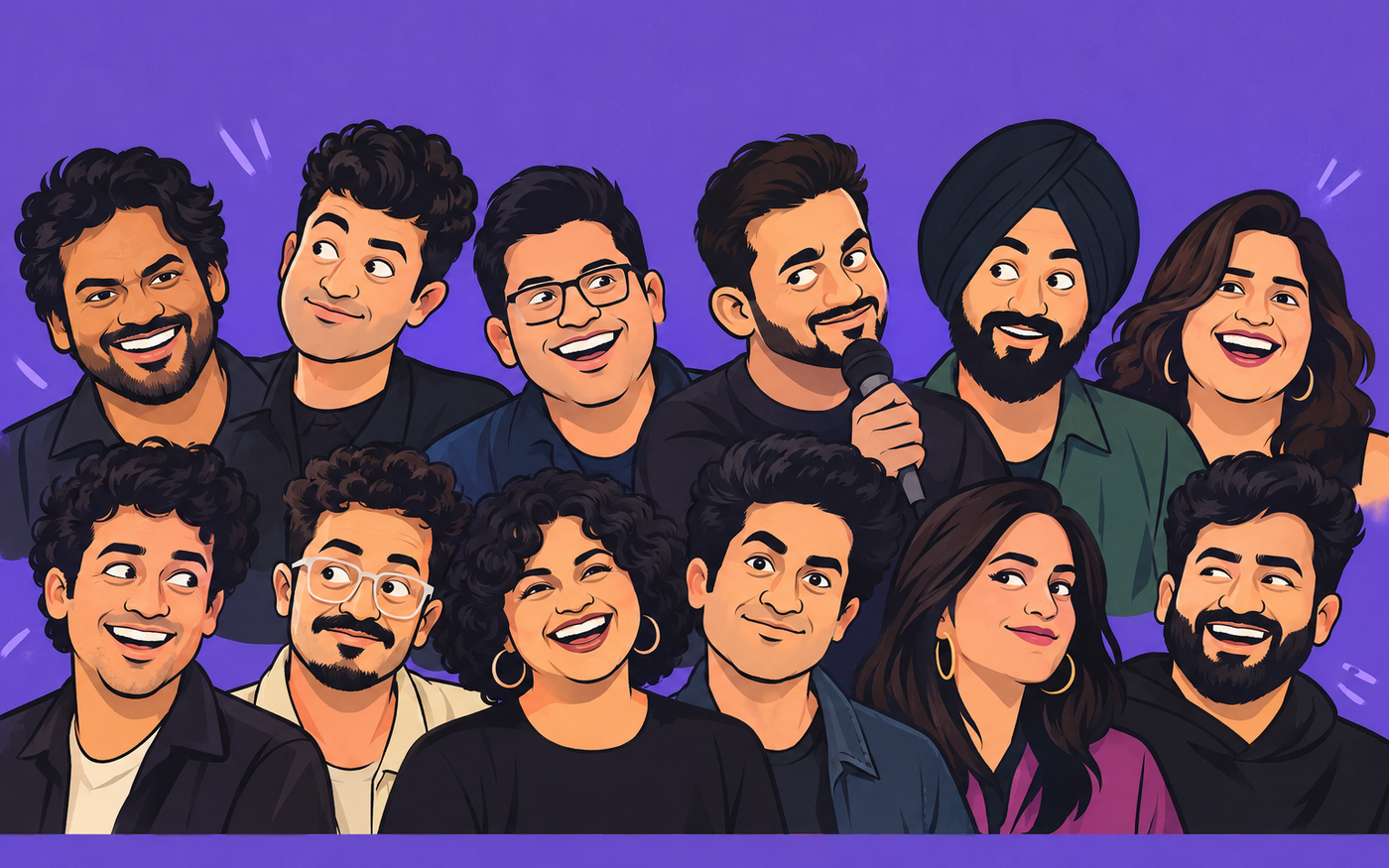
Many comedians you watch on stage today started with a few minutes in front of strangers, many of whom were waiting for their own turn. Stand-up looks effortless when it is done well. Getting there takes writing, a lot of stage time and a clear idea of how the scene works.
This guide is for anyone in India wondering how to become a stand-up comedian: how to start, how open mics differ from paid shows, and how comedians move from one to the other. If you are in Hyderabad and want to know where to perform this week, read our guide to stand-up comedy in Hyderabad.
Write your first five minutes
Before you get on a stage, you need material.
- Start from what you know: your family, your job, your city, things that annoy you.
- Write it down, then say it out loud. Comedy is spoken, and what reads well does not always sound funny.
- Aim for five minutes, then cut it to four. New comics often run over.
- Lead with your strongest bit, so the room is with you early.
- Choose your language. Many comics in India perform in English, Hindi or a regional language, or mix them. Write in the one you are most natural in.
Watch before you perform
Go to comedy shows and open mics as an audience member first. Notice how hosts run the night, how long sets really are and what kinds of jokes work in that room. It also introduces you to the comics and organisers you will see again.
Start at open mics
An open mic is where you learn to do stand-up. Slots are short, often three to five minutes, and timed strictly. The room expects new material, so jokes that do not land are part of the process. Find out how each one works: some ask you to register in advance, others sign people up on the night.
For how open mics run and how to prepare, read our beginner's guide to open mics. Comedy open mics and shows are also listed on Gig'le's Events board and the comedy page.
Open mics are not paid gigs
This is worth being clear about. An open mic is practice: you are not being paid, and sometimes you pay a small fee or buy something to perform. That is normal at the start. A paid performance is different: an organiser has asked you to perform, with a fee and terms agreed beforehand. Do not confuse the two, and do not let anyone present unpaid work as a paid gig.
Perform as often as you can
Comedians improve through repetition: performing the same material many times, adjusting it each time. Regular stage time matters more than anything else in the first year.
- Go to the same open mics regularly, so the organisers know you.
- Rewrite after every set. Note what got a laugh and what did not.
- Record every set if the venue allows it, and listen back.
Showcases and line-up shows
As your material improves, look for spots on:
- Showcases: curated nights with a set number of comics, often with an audience that came for comedy.
- Line-up shows: several comedians doing longer sets, sometimes ticketed.
- Opening spots: a short set before a more experienced comedian.
These spots are often by invitation or application. Organisers usually pick comics they have seen do well at open mics, or ones who send a strong clip.
Build your clips and profile
Your clips are what get you the next spot.
- Keep a short clip of your best five minutes, filmed at a live show with clear sound and a real audience.
- Post short clips online to build an audience. Many comedians in India have grown this way.
- Keep a short bio: your name, your style, the languages you perform in and where you are based.
How to approach organisers
When you ask for a spot or a paid show:
- Be specific: which show, which date, how long a set you can do.
- Send one clip, your strongest recent one.
- Say what you perform: language, style and whether your set is clean or adult.
- Be easy to work with: turn up on time, keep to your time and thank the host.
Organisers remember comics who are reliable as much as those who are funny.
Paid comedy work
Paid stand-up comes from several places:
- Comedy clubs and ticketed shows in larger cities.
- Corporate events, which usually want a clean set that suits a mixed audience.
- College fests, which invite comedians to perform.
- Private events, such as parties and celebrations.
- Hosting: many comedians also earn as anchors and hosts.
For any paid show, agree the fee, set length, content guidelines, travel, payment dates and what happens if the show is cancelled, in writing. Our live performance agreement checklist covers what to confirm. It is written for musicians, but almost every point applies to comedians.
On Gig'le, organisers post comedy gigs on the Gigs board with the location, experience level and pay stated, so you know before you apply whether a gig is paid and what it involves. You press Apply, the organiser is notified and can accept or decline, and the clips on your profile are what they look at.
A note on content
Know your audience. A late-night club show and a corporate offsite need different material. Ask organisers about any content guidelines before you perform, and agree them as part of the terms.
Staying with it as a comedian
Stand-up is a long game. Some sets will go badly, and that is part of learning. What tends to separate comedians who keep going is that they keep writing, keep performing and stay part of their local scene: going to other comics' shows, helping run nights and showing up.
Join Gig'le to find comedy open mics and paid comedy gigs near you, and share your clips with organisers.
Frequently asked questions
How do I start stand-up comedy in India?
- Write five minutes of material, go to a few comedy shows and open mics as an audience member, then sign up for open mics in your city and perform as often as you can. Record your sets and rewrite after each one.
Do comedians get paid for open mics?
- Usually not. Open mics are for practice, and sometimes performers pay a small fee or buy something from the venue. Paid comedy work comes from club shows, corporate events, college fests and private events, with a fee agreed in advance.
How long should my first stand-up set be?
- Many open mic slots are short, often three to five minutes. Prepare a little less than your slot so you do not run over.
How do comedians get paid shows?
- By performing regularly so organisers see them, building a strong clip of their best material, and approaching organisers with a specific request. On Gig'le, organisers post comedy gigs with the pay stated, and comedians can apply with their clips.
Can I do stand-up in Hindi or regional languages?
- Yes. Comedians in India perform in English, Hindi and regional languages, and many mix them. Write in the language you are most natural in, and check the language of each show or open mic before you sign up.

Partha Sarathi Ceera
Founder, Gig'le
A former performing musician in Hyderabad, he writes about live performance, artist collaboration and opportunities in India's independent arts scene.
Keep reading
Find your people on Gig'le
Share your work, find paid gigs and discover events near you. Creating an account is free.
Create an account